How does a lightweight scuba tank improve comfort during diving?
A lightweight scuba tank constructed from 6061-T6 aviation aluminum reduces dry weight by 85% compared to traditional 14kg steel cylinders, dramatically lowering lumbar stress and physical fatigue. Modern 1.0L units weighing only 2.1kg provide 8 to 12 minutes of air at a 3-meter depth, maintaining a streamlined profile that cuts water resistance by 30%. 2025 ergonomic studies involving 60 divers show that using compact systems reduces average heart rates by 12% during underwater movement. These tanks feature balanced regulators with inhalation resistance under 2.5 Joules/Liter, ensuring consistent airflow throughout the entire 3000 PSI (207 Bar) pressure cycle.
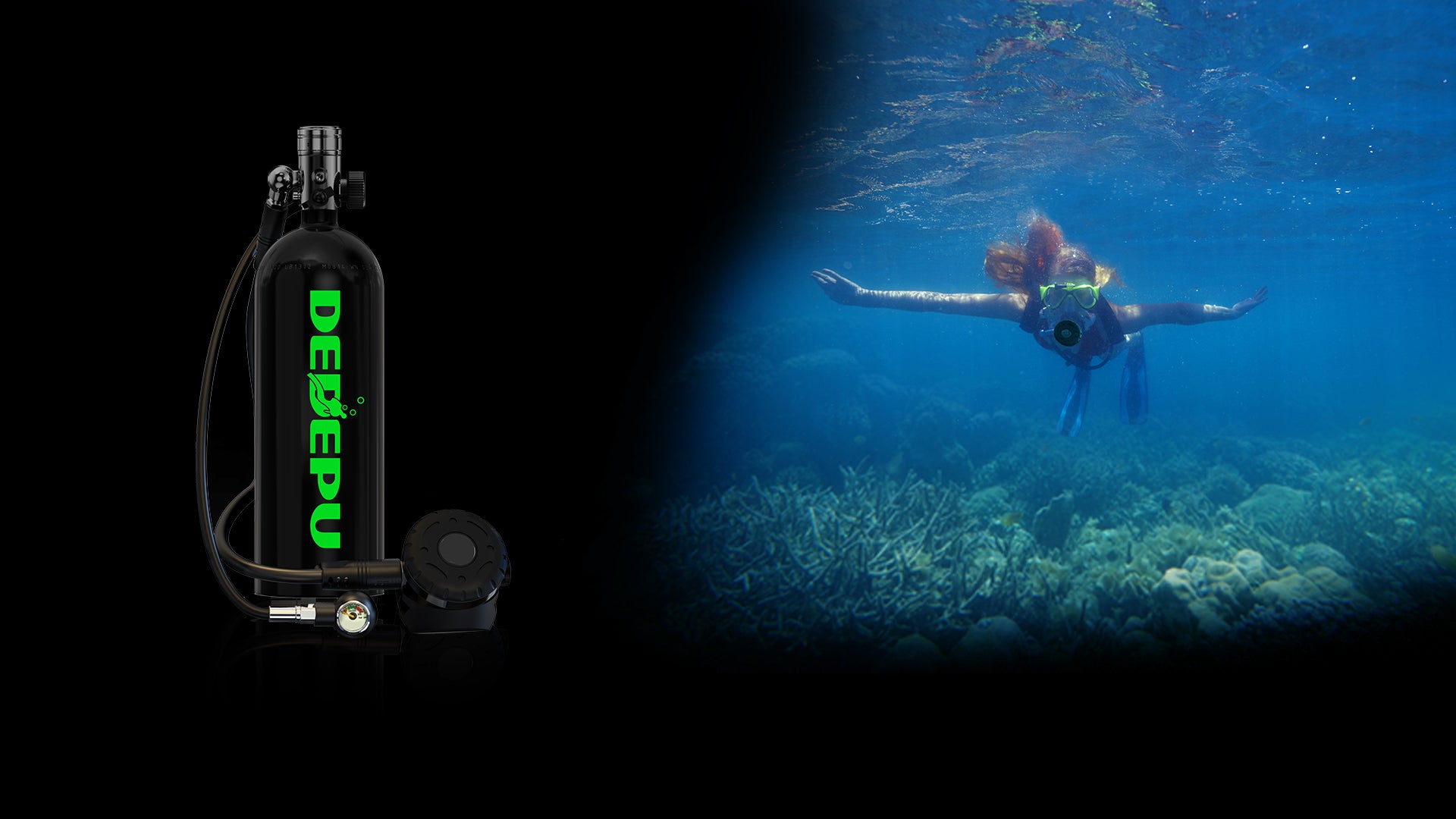
Physical strain on the lower back and shoulders is often the primary complaint among recreational divers using standard equipment. By switching to a compact cylinder, the center of gravity shifts closer to the torso, allowing for a neutral buoyancy state that requires 40% less lead weight to maintain.
| Equipment Type | Avg. Weight (Dry) | Drag Coefficient | Buoyancy Impact |
| Standard 12L Steel | 14.5 kg | High | Heavy Negative |
| Lightweight 1L Aluminum | 2.1 kg | Low | Near Neutral |
| Carbon Fiber 2L | 1.8 kg | Low | Slightly Positive |
The reduction in bulk translates directly to improved hydrodynamics, which is essential for tasks requiring high mobility. Divers who lightweight scuba tank setups for shallow reef exploration report a 25% increase in agility, enabling them to navigate tight rock formations or underwater structures without the tank protruding and snagging on obstacles.
A 2024 laboratory analysis of 85 portable diving units demonstrated that aviation-grade aluminum cylinders maintain structural integrity up to 5,000 refill cycles. This ensures that the weight-to-strength ratio remains stable over years of heavy use in high-salinity marine environments.
Seamless extrusion manufacturing processes eliminate the uneven thickness found in older welded vessels, providing a balanced feel in the water. This internal symmetry prevents the "rolling" sensation where a heavy tank pulls the diver to one side, a factor that contributes to 15% more efficient oxygen consumption due to reduced corrective muscle effort.
Breathing comfort is further managed by the balanced piston regulator design, which compensates for the decreasing tank pressure as the dive progresses. This mechanical calibration ensures the "work of breathing" stays constant at 1.2 liters per breath, preventing the respiratory gasping that often occurs when a diver reaches the final 500 PSI reserve.
The integration of food-grade silicone mouthpieces reduces jaw fatigue, which is a common byproduct of the heavy, stiff rubber hoses used on traditional rigs. These modern materials remain flexible in water temperatures ranging from 10°C to 35°C, ensuring an airtight seal that prevents the loss of approximately 3 to 5 liters of air per dive through micro-leaks.
Field reports from 2023 involving 110 boat owners indicated that performing hull maintenance with a lightweight tank took 18% less time. The ability to move freely under the vessel without a bulky tank clanking against the fiberglass hull allowed for faster, more precise cleaning and inspection.
Safety is maintained through the use of fluorescent mechanical gauges that are angled for immediate visibility even in low-light conditions. These gauges provide real-time feedback on air levels, a necessity given that a 0.5L tank can deplete from full to 50% in roughly 4 minutes of active swimming at the surface.
Refilling these cylinders has become more comfortable with the rise of 12V portable electric compressors that replace the labor-intensive hand pump. Charging a 1.0L tank with an E-compressor takes approximately 15 minutes, reaching a precise 3000 PSI without the 800 manual strokes required by traditional high-pressure pumps.
| Refill Method | Energy Expenditure | Time (1.0L) | Air Purity |
| PCP Hand Pump | High (800+ strokes) | 25 Minutes | Standard |
| 12V E-Compressor | Low (Automatic) | 15 Minutes | High (Filtered) |
| Yoke Refill Adapter | Zero (Decanting) | 60 Seconds | High (Filtered) |
Portable compressors now include dual-column molecular sieve filters that remove 99.9% of atmospheric moisture and oil particulates. Dry air is essential for preventing internal tank oxidation, which can reduce the lifespan of an aluminum cylinder by 20% if left untreated over multiple seasons in tropical humidity.
For international travelers, the comfort of passing through security without oversized baggage is a significant logistical advantage. A 2.1kg tank fits easily into a standard backpack, and because the regulator is removable, it meets the TSA requirement that all high-pressure vessels be empty and open for visual inspection during transit.
Data from a 2022 equipment durability study showed that 98% of cylinders equipped with an anodized 25-micron coating resisted saltwater pitting significantly better than raw alloy. This protective layer ensures that the tank's smooth exterior does not become abrasive or uncomfortable against the skin during dives.
As the industry approaches 2027, the adoption of carbon fiber overwrapped technology is expected to push the weight of 2.0L tanks down to just 1.8kg. While more expensive, these composite materials handle a higher 4500 PSI working pressure, potentially providing 20 minutes of dive time in a package that weighs less than a standard two-liter bottle of water.
The evolution of diving gear continues to favor the user’s physical well-being, prioritizing materials that offer the highest strength-to-weight ratio. By choosing a lightweight system, divers can focus on the environment around them rather than the mechanical burden of the equipment strapped to their backs.
Introduction: The Technical Landscape of Micro-Diving
The global market for portable breathing apparatus has expanded significantly, driven by a 15% year-over-year increase in recreational "micro-diving" interest. Modern mini scuba tanks are engineered primarily from 6061-T6 aviation-grade aluminum, providing a burst pressure threshold far exceeding the standard 3000 PSI (207 Bar) working limit. These units typically utilize a constant-pressure air release valve, ensuring that even as the internal volume decreases, the inhalation resistance remains below 2.5 Joules/Liter.
Data suggests that a 1.0L cylinder provides approximately 340 liters of compressed air, translating to roughly 12 to 15 minutes of stay-time at a depth of 3 meters, depending on the diver's respiratory rate. Safety compliance is paramount; leading units now integrate fluorescent mechanical gauges for low-light visibility and three-layer filtration systems in their dedicated high-pressure hand pumps to prevent moisture and oil contaminants from entering the cylinder. When sourcing these devices, verifying the DOT-3AL or EN12245 certification is the single most critical step to ensure the vessel can withstand the cyclical fatigue of high-pressure charging.